
Asbestos in London’s Victorian and Edwardian Buildings: What You Need to Know
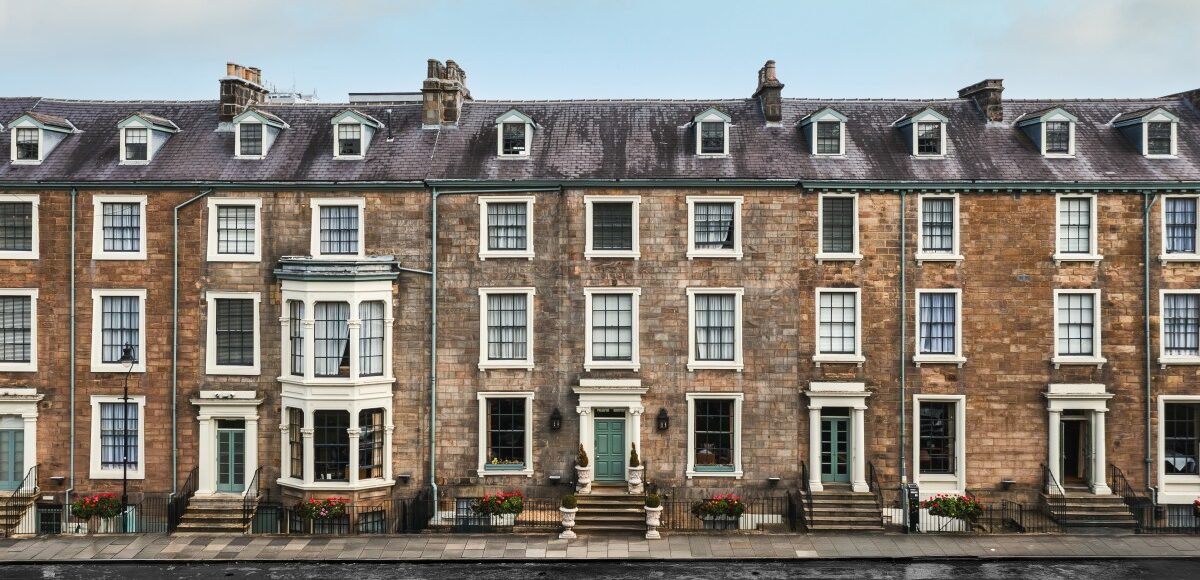
London is famous for its Victorian terraces, Edwardian family homes, and period conversions. These properties are full of character, but they also present unique challenges for building maintenance and renovation. One common misconception is that because these buildings were constructed before asbestos became widely used, they won’t contain it.
In reality, if you’re buying, renovating, or maintaining a Victorian house in London, there’s a good chance asbestos may be present, not in the original structure, but in materials added during later renovations throughout the 20th century.
Understanding where asbestos may be found and arranging an old building asbestos survey before carrying out work can help keep your project safe and compliant.
Why Victorian and Edwardian Homes Can Still Contain Asbestos
Victorian homes were built between approximately 1837 and 1901, while Edwardian properties were constructed between 1901 and 1910. Asbestos wasn’t commonly used in UK construction until decades later.
However, most period properties in London have undergone multiple renovations since they were first built. During the 1950s, 60s, 70s, and 80s, asbestos became a popular construction material because it was durable, fire-resistant, and inexpensive.
As a result, many older London homes have asbestos-containing materials that were installed during later refurbishments rather than during the original build.
Where Asbestos Is Commonly Found
Every property is different, but asbestos is frequently found in areas that were modernised during the second half of the twentieth century.
Common examples include:
- Textured ceiling coatings such as Artex
- Vinyl floor tiles and the adhesive beneath them
- Pipe insulation and boiler lagging
- Garage roofs made from asbestos cement sheets
- Soffits, fascia boards and rainwater goods
- Fire doors and service cupboards
- Insulation boards around fuse boxes and airing cupboards
- Partition walls added during previous refurbishments
- Cement flues and ventilation ducts
Many London properties have also been converted into flats, with internal alterations introducing additional materials that may contain asbestos.
Renovating a Period Property
Victorian and Edwardian homes are among the most popular renovation projects in London. Opening up fireplaces, removing chimney breasts, rewiring, replacing bathrooms, installing new kitchens, or creating loft conversions all involve disturbing parts of the building.
If asbestos-containing materials are present, these works can release fibres into the air if proper precautions haven’t been taken.
Before beginning refurbishment work on any building constructed before 2000, it’s important to consider whether an asbestos survey is required.
An appropriate asbestos survey helps identify any asbestos-containing materials before work starts, allowing the project to be planned safely.
Don’t Rely on Appearance Alone
One of the biggest mistakes property owners make is assuming they can identify asbestos simply by looking at it.
Unfortunately, this isn’t possible.
Many asbestos-containing materials look almost identical to modern alternatives, and even experienced tradespeople cannot confirm whether a material contains asbestos through visual inspection alone.
The only reliable way to identify asbestos is through professional inspection and, where appropriate, laboratory analysis.
Why London Properties Present Unique Challenges
London’s housing stock is incredibly diverse. It isn’t unusual for a Victorian terrace to have been extended in the 1960s, converted into flats in the 1980s, and renovated again in the early 2000s.
This means a single property may contain materials from several different construction periods.
In addition, many London homes have:
- Basements
- Loft conversions
- Rear extensions
- Garden rooms
- Converted garages
- Multiple service alterations
Each of these can introduce materials that should be properly assessed before further work takes place.
What Should You Do if You Suspect Asbestos?
If your Victorian or Edwardian property has building materials dating from the mid to late twentieth century, it’s sensible to seek professional advice before disturbing them.
You should be particularly cautious before:
- Removing ceilings or internal walls
- Lifting old flooring
- Replacing pipework
- Renovating kitchens or bathrooms
- Converting lofts
- Demolishing garages or outbuildings
Taking a few simple precautions before work begins is far easier than dealing with the consequences of accidentally disturbing asbestos.
Peace of Mind Before You Renovate
Owning a period property in London is incredibly rewarding, but every renovation should begin with a clear understanding of what’s hidden behind the walls, ceilings, and floors.
An old building asbestos survey provides valuable information before work starts, helping homeowners, landlords, developers, and contractors make informed decisions while protecting everyone involved in the project.
If you’re planning work on a Victorian house in London, or any property built before 2000, 0800 Asbestos can provide professional asbestos surveys and practical advice tailored to your project.
Get in touch with our team to discuss your property and ensure your renovation starts on the right footing.
Leave a Comment